
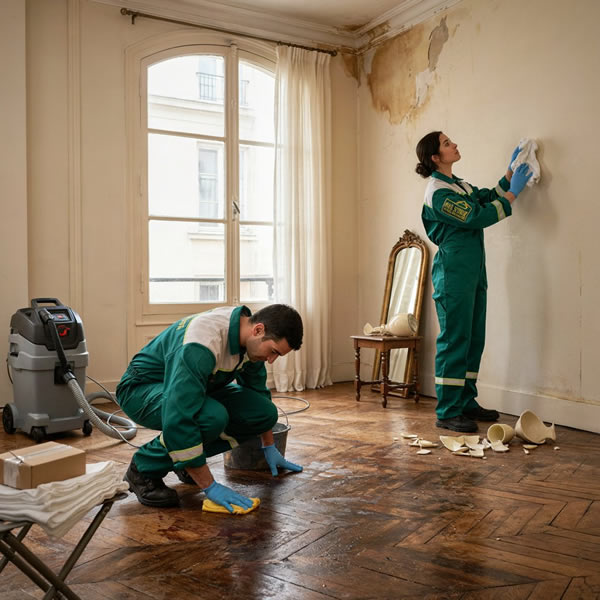
Accidents happen, and unfortunately, sometimes they lead to significant damage in your apartment. Whether it’s a burst pipe, a fire, or something else entirely, the aftermath can feel overwhelming. The good news is that with a systematic approach, you can tackle the cleanup and restoration process effectively. The key is to understand what you’re dealing with, prioritize safety, and know when to seek professional help.
Getting Started: Assessing the Damage
Before you even think about grabbing a mop, take a deep breath and carefully assess what you’re up against. This initial assessment is crucial for planning your cleanup strategy and understanding the scope of the problem. Don’t just glance around; get a clear picture of the extent of the damage.
Understanding the Types of Damage
Different types of accidents leave different kinds of messes. A water leak will require a different approach than smoke damage. Understanding the specific nature of the damage will guide your cleanup efforts.
Water Damage: What to Look For
Water can seep into the smallest crevices, causing structural issues and promoting mold growth. Look for visible water stains on walls and ceilings, peeling paint, warped flooring, and any signs of dampness or musty odors. Don’t forget to check inside cabinets and closets, as water can travel unseen.
Fire and Smoke Damage: The Hidden Threats
Fire damage is often more than just the visible charring. Smoke, soot, and the chemicals used to extinguish the fire can permeate materials, leaving behind odors and health hazards. Identify areas affected by smoke residue, discolored walls, and lingering smells.
Other Types of Damage: From Vandalism to Structural Issues
Accidents can encompass a wide range of events. Consider if there’s been any vandalism, impact damage, or other structural compromises that need immediate attention.
Safety First: Protecting Yourself and Others
This is arguably the most important step. Cleaning up after an accident can expose you to numerous hazards, both obvious and hidden. Prioritizing your safety is non-negotiable.
Essential Protective Gear: Your First Line of Defense
Think of this gear as your personal armor against the mess. Don’t skimp on it; it’s there for a reason.
Gloves: More Than Just Protection
Choose sturdy, chemical-resistant gloves. Basic dishwashing gloves might not be enough, especially if there’s been water contamination or exposure to cleaning chemicals.
Eye Protection: Shielding Your Vision
Safety goggles or glasses are essential to prevent debris, dust, or cleaning solutions from getting into your eyes.
Respiratory Protection: Breathing Easier
A good quality respirator mask, rated for dust and potentially hazardous fumes, is vital. This is particularly important if dealing with mold, smoke residue, or asbestos concerns.
Footwear: Sturdy and Secure
Closed-toe, sturdy shoes are a must. You don’t want to step on anything sharp or slippery. Consider waterproof boots if dealing with extensive water damage.
Identifying Hazards: What to Watch Out For
Beyond the visible mess, there are often unseen dangers. Being aware of these will help you avoid serious harm.
Electrical Hazards: A Silent Threat
If there’s been water damage, especially near electrical outlets or appliances, treat all wiring as potentially live and dangerous. Turn off the power to affected areas at the breaker box if you can safely do so.
Structural Integrity: Is It Safe to Be There?
Damaged walls, ceilings, or floors could be unstable. If you have any doubts about the structural soundness of your apartment, err on the side of caution and evacuate.
Biological Hazards: Microscopic Menaces
Water damage can quickly lead to mold growth, which poses respiratory health risks. Contaminated water can also harbor bacteria and other pathogens.
Chemical Hazards: Cleaning Agents and Beyond
Cleaning products themselves can be hazardous. Be mindful of mixing chemicals, and always ensure good ventilation. Also, consider any chemicals that might have been involved in the accident itself.
Tackling the Mess: Debris Removal and Disposal
Once you’ve ensured the area is safe to enter and work in, the next logical step is to start clearing out the damaged items. This might seem straightforward, but proper disposal is key to preventing further contamination and ensuring you meet local regulations.
Sorting and Discarding: What Stays and What Goes
Not everything damaged needs to be thrown away. Some items might be salvageable with proper cleaning, while others are clearly beyond repair.
Salvageable vs. Unsalvageable: A Tough Call
This is where your initial assessment comes in handy. If an item is structurally compromised, heavily stained, or poses a health risk, it’s usually best to let it go. Be pragmatic; don’t hold onto things that will cause more problems later.
Proper Disposal of Damaged Materials: Beyond the Bin
Throwing everything into your regular trash bin is rarely an option after a significant accident. Many damaged materials, especially those from water or fire incidents, require special disposal.
Hazardous Waste Considerations: When to Call for Help
Materials like insulation, drywall, or certain types of flooring that have been exposed to mold or fire might be classified as hazardous waste. Your local waste management authority can provide guidance on how to handle these.
Large Item Disposal: Bulky and Heavy
Larger damaged items, like furniture or appliances, will likely need to be arranged for special pickup. Again, your municipality or landlord can often assist with this.
Addressing Water Woes: Drying and Mold Prevention
Water damage is a common and persistent problem that requires immediate and thorough attention. If left untreated, it can lead to extensive structural issues and, most notably, mold growth.
Drying Out the Space: The Critical First Step
The faster you can dry out affected areas, the less damage you’ll have. This involves removing standing water and then systematically drying out materials.
Immediate Water Extraction: The Sooner, The Better
If there’s standing water, use mops, buckets, wet vacuums, or even towels to remove as much as possible as quickly as possible.
Air Circulation and Dehumidification: Wicking Away Moisture
Once the bulk of the water is gone, focus on drying out surfaces and materials. Open windows and doors to create cross-ventilation, and use fans to circulate air. Dehumidifiers are incredibly effective at pulling moisture out of the air and materials.
Mold Prevention: Stopping It Before It Starts
Mold can appear within 24-48 hours of water exposure. Proactive prevention is far easier than dealing with an established mold problem.
Cleaning Affected Surfaces: Removing the Source
Thoroughly clean any surfaces that were exposed to water. This might involve scrubbing with appropriate cleaning solutions.
Monitoring for Signs of Mold: Vigilance is Key
Even after drying, keep an eye out for any signs of mold growth, such as discoloration, fuzzy patches, or musty odors.
Cleaning and Sanitizing: Restoring a Hygienic Environment
After the debris is cleared and the space is drying, it’s time to focus on the actual cleaning and sanitizing of surfaces to eliminate any lingering contaminants and odors. This goes beyond just making things look clean; it’s about ensuring the space is healthy to inhabit again.
Surface Cleaning: Removing Residue and Grime
Different types of damage require different cleaning approaches. Focus on removing any soot, grime, or residue left behind by the accident.
Cleaning Walls and Ceilings: Reaching the High Places
Use appropriate cleaning solutions and tools to clean walls and ceilings. For smoke damage, specialized cleaners might be necessary to break down the oily residue.
Floor Cleaning: From Carpets to Hardwood
Carpets will likely need professional cleaning or replacement if heavily damaged by water or smoke. Hardwood floors can often be salvaged with thorough cleaning, but warping is a concern with water damage.
Sanitizing to Eliminate Contaminants: Killing Germs and Odors
Sanitizing is crucial, especially if there was any water contamination or fire and smoke residue. This process kills bacteria and other harmful microorganisms, and helps neutralize odors.
Using the Right Cleaning Products: Effectiveness and Safety
Choose cleaning products that are effective for the type of contamination you’re dealing with. Always follow product instructions carefully and ensure good ventilation when using cleaning chemicals.
Dealing with Lingering Odors: A Persistent Problem
Odors, particularly from smoke or mold, can be difficult to eliminate. Air purifiers with HEPA filters and activated charcoal can help. Ozone generators can also be effective but require caution and proper ventilation.
Repairing and Restoring: Bringing Your Apartment Back to Life
Once the immediate cleanup is done and the space is clean and sanitized, you’ll need to address any structural damage and restore the apartment to its functional state. This is where the repair and restoration phase begins.
Assessing Structural Damage: Ensuring Safety and Stability
This is where you evaluate any damage that affects the building’s integrity.
Wall and Ceiling Repairs: Patching and Rebuilding
This might involve patching drywall, repairing plaster, or in more severe cases, rebuilding sections of walls or ceilings.
Flooring and Subfloor Issues: Addressing Warping and Rot
Water damage can warp or rot flooring and subflooring. This will need to be assessed and repaired or replaced as necessary.
Electrical and Plumbing Systems: Safety First
Ensure that all electrical wiring and plumbing are inspected and deemed safe and functional after the incident.
Restoring Functionality: Making it Livable Again
The goal is to get the apartment back to a state where it’s safe, comfortable, and fully functional.
Repainting and Refinishing: A Fresh Start
New paint can cover up stains and freshen up the space. Refinishing damaged furniture or fixtures can also make a big difference.
Replacing Damaged Fixtures and Appliances: Back to Normal
Any fixtures or appliances that were damaged beyond repair will need to be replaced.
When to Call the Professionals: Knowing Your Limits
There will be times when the damage is simply too extensive, too hazardous, or too complex for you to handle on your own. Recognizing these situations and calling in professionals is a sign of good judgment, not failure.
When the Damage is Severe: Beyond DIY Capabilities
If the damage is widespread, involves significant structural compromise, or poses serious health risks, professional help is essential.
Extensive Water Damage: Deep Saturation and Mold Concerns
If water has saturated building materials deeply, or if there are any signs of mold growth, professionals have the specialized equipment and expertise to handle it effectively and safely.
Significant Fire and Smoke Damage: Pervasive Soot and Odors
Fire and smoke damage can be incredibly pervasive and difficult to remediate fully without professional equipment and knowledge.
When Safety is a Major Concern: Expert Handling of Hazards
If you suspect asbestos, lead paint, or other serious environmental hazards, or if there are significant electrical or structural concerns, do not attempt to clean it yourself. Professionals have the training and equipment to manage these risks.
Hazardous Material Abatement: Specialized Expertise Required
Professionals are trained in safely identifying, containing, and removing hazardous materials.
Structural Stabilization: Ensuring Building Integrity
If the building’s structural integrity has been compromised, only trained professionals should be involved in stabilizing and repairing it.
For Peace of Mind and Efficiency: The Benefits of Professional Services
Sometimes, even if you could technically do it yourself, hiring professionals offers significant advantages. They can often complete the job faster and more thoroughly, giving you peace of mind that the restoration is done correctly. They also have access to specialized drying equipment, industrial-strength cleaners, and effective odor removal technologies that are not readily available to the average person. Ultimately, knowing when to call in the experts can save you time, money, and potential health risks in the long run.
FAQs Cleaning a Damaged Apartment
1. How do I assess the extent of damage in my apartment after an accident?
Begin by conducting a thorough visual inspection of all affected areas, noting structural damage, water intrusion, and any hazardous materials. Document the damage with photos and take note of any immediate safety concerns before starting cleanup.
2. What protective gear should I use when cleaning a damaged apartment?
Wear appropriate protective gear such as gloves, masks or respirators, safety goggles, and sturdy footwear. This helps protect against sharp debris, mold spores, chemical contaminants, and other hazards commonly found in accident-damaged environments.
3. How should I dispose of debris and damaged materials safely?
Sort debris into categories like recyclable materials, hazardous waste, and general trash. Use heavy-duty bags or containers for disposal, and follow local regulations for hazardous waste removal. Avoid mixing materials that could cause chemical reactions or environmental harm.
4. What steps can I take to prevent mold growth after water damage?
Remove standing water promptly and dry out the area using fans and dehumidifiers. Clean and disinfect all surfaces to eliminate contaminants. Monitor humidity levels and address leaks or moisture sources to prevent mold from developing.
5. When is it necessary to call professional cleanup and restoration services?
Contact professionals if the damage involves structural issues, extensive water damage, hazardous materials, or mold infestations beyond minor surface growth. Professionals have specialized equipment and expertise to safely restore your apartment and ensure it meets safety standards.